Outdoor Spaces Built for Long-Term Use
Hardscaping Installation in Hartville for properties needing durable surfaces, defined borders, or functional outdoor living areas that handle weather and foot traffic
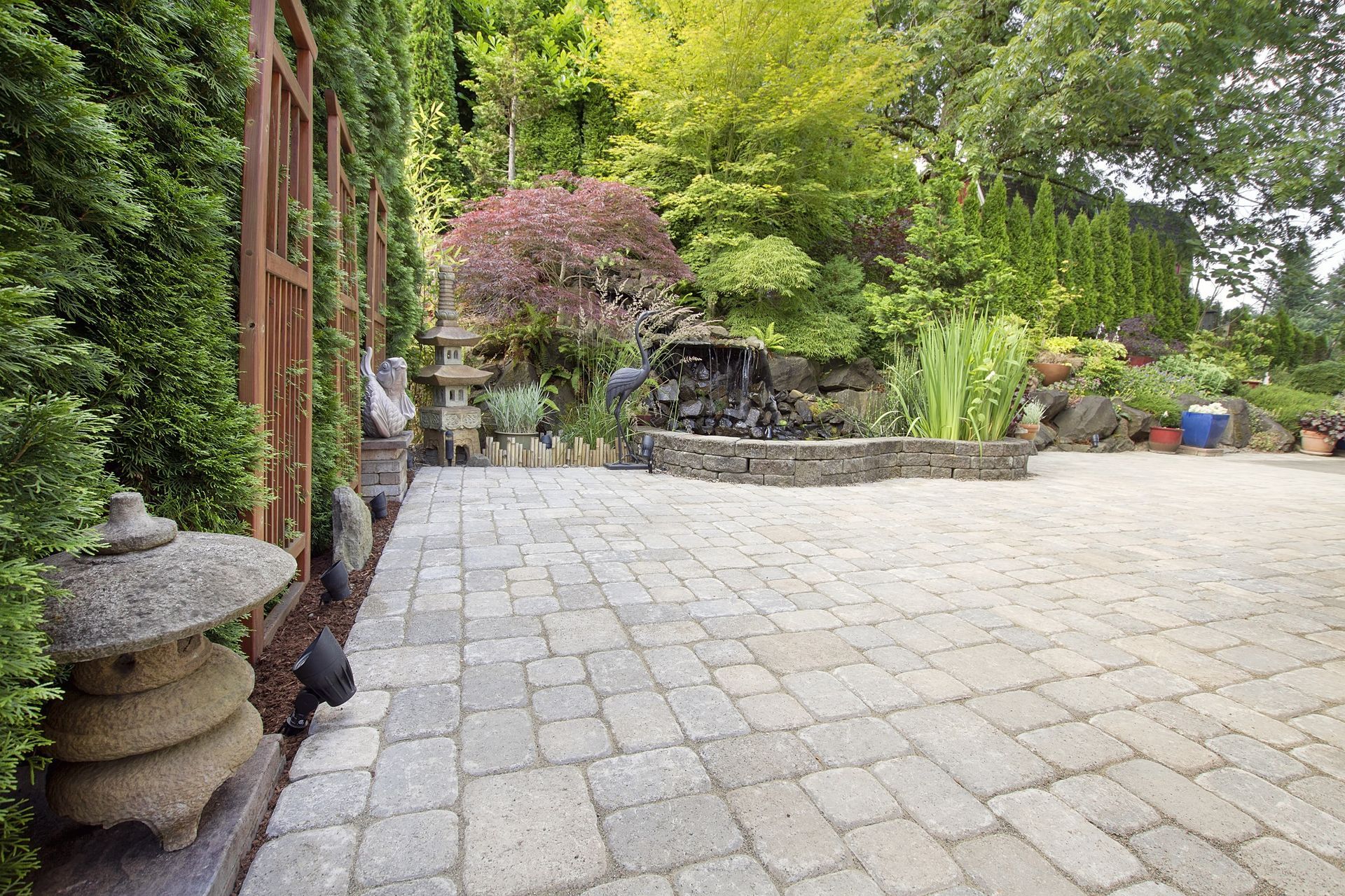
Hardscaping changes how you use outdoor space by creating stable surfaces where turf fails, defining borders that separate landscape zones, and adding structures that extend usable living area beyond the home's walls. Wigal Snow Plowing & Mowing installs hardscaping features including paver patios, walkways, retaining walls, fire pit areas, and decorative stone features for residential and commercial properties in Akron. The service addresses situations where erosion undermines paths, where sloped terrain needs stabilization, where drainage creates wet zones that turf cannot tolerate, or where outdoor gathering spaces need all-weather surfaces that stay level and firm.
Paver patios and walkways are built on compacted aggregate base layers that prevent settling and allow water to drain through joints rather than pooling on the surface. Retaining walls hold back soil on slopes, which creates usable flat areas and stops erosion that washes material onto lower sections of the property. Fire pit areas are constructed with non-combustible materials and proper clearances, providing a permanent gathering spot that does not damage surrounding turf or create fire hazards.
Arrange a site visit to review your property's grade, drainage patterns, and soil conditions so the design accounts for how water moves and where structures need additional support.
What Separates Durable Hardscaping from Surface-Level Work
Proper hardscape installation requires excavation to below the frost line in areas subject to freeze-thaw cycles, compacted base material in layers to prevent settling, and edge restraints that keep pavers or stones from shifting outward under load. Retaining walls need drainage systems behind them to relieve hydrostatic pressure that builds up when water cannot escape, which otherwise causes walls to lean or fail over time.
Once installation is complete, paver surfaces will remain level without sunken spots or shifted joints, even after heavy rain or freeze-thaw cycles. Retaining walls will hold their position without leaning or cracking, and walkways will stay firm underfoot without rocking pavers or weed growth pushing through joints. Decorative stone features, such as bordered planting beds or dry creek beds, will maintain their shape and contain stone within the intended area rather than scattering across turf during storms.
Hardscaping installation includes excavation, base preparation, material placement, and compaction, but it does not include grading changes outside the immediate work area, mulch installation, irrigation line relocation, or removing large tree roots that interfere with the layout. Design adjustments may be necessary if underground utilities or drainage structures are encountered during excavation.
What Property Owners Usually Ask
Homeowners planning hardscaping projects often have questions about material choices, how long installation takes, and what site preparation involves before work begins.
What is the advantage of pavers over poured concrete for patios?
Pavers allow individual units to shift slightly during freeze-thaw cycles without cracking, and damaged pavers can be replaced individually rather than requiring full surface removal like cracked concrete slabs.
How deep does the base need to be for paver walkways?
Base depth typically ranges from four to six inches of compacted aggregate depending on soil type and expected load, with deeper bases required in areas with clay soils or heavy vehicle traffic.
Do retaining walls need drainage systems installed behind them?
Yes, drainage aggregate and perforated pipe behind retaining walls allow water to escape rather than building pressure that pushes the wall forward, which is critical in Hartville where soil moisture fluctuates seasonally.
Can hardscaping be installed on sloped terrain?
Sloped areas require terracing with retaining walls or stepped levels to create stable surfaces, with each level graded to drain properly and prevent water from pooling against structures or running toward the home.
How are decorative stone features different from functional hardscaping?
Decorative stone features focus on appearance and definition, such as bordered beds or accent areas, while functional hardscaping like patios and walkways must support weight, resist settling, and handle drainage without surface degradation.
Wigal Snow Plowing & Mowing evaluates site conditions before starting hardscaping projects to identify drainage issues, underground obstacles, and grade challenges that affect design and material requirements. Contact the team to discuss your project goals and schedule a site evaluation that accounts for how your property's specific conditions influence the installation approach.